Dental emergencies and toothache
Toothache comes without warning, and it should not have to wait. When you are in pain, the practice sees you as an emergency to relieve you quickly, then plans the rest of your treatment with you.
Appointments reserved for emergencies
Every day, time slots are kept free in the dentists' schedules to see patients who are in pain. You therefore do not have to wait several weeks to be treated: pain reported in the morning can be seen the same day.
Severe toothache, swollen gums, a broken tooth, pain that wakes you at night: call the practice and describe what you feel. The reception team assesses how urgent it is and offers you the first suitable appointment.

First visit: understand and relieve
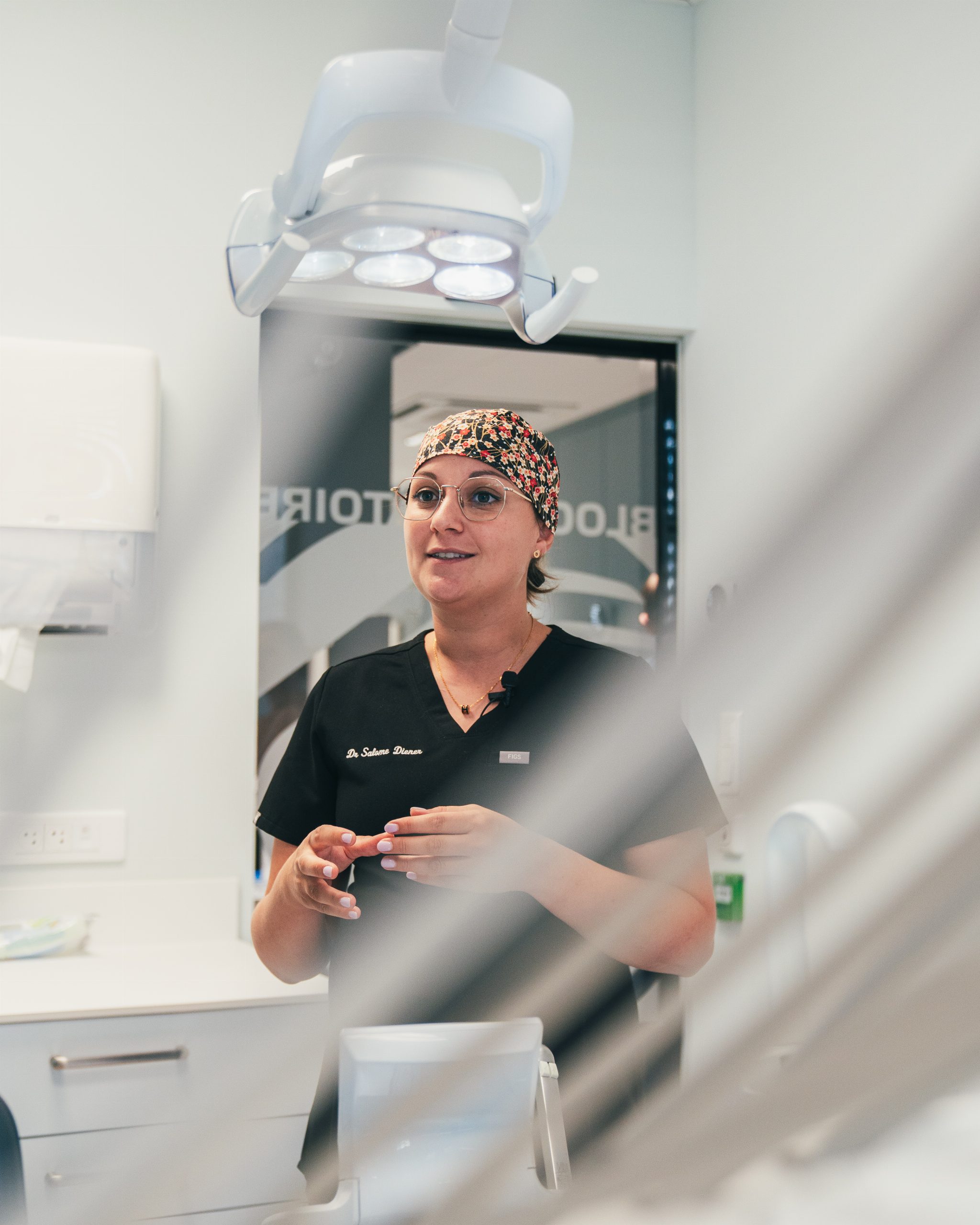
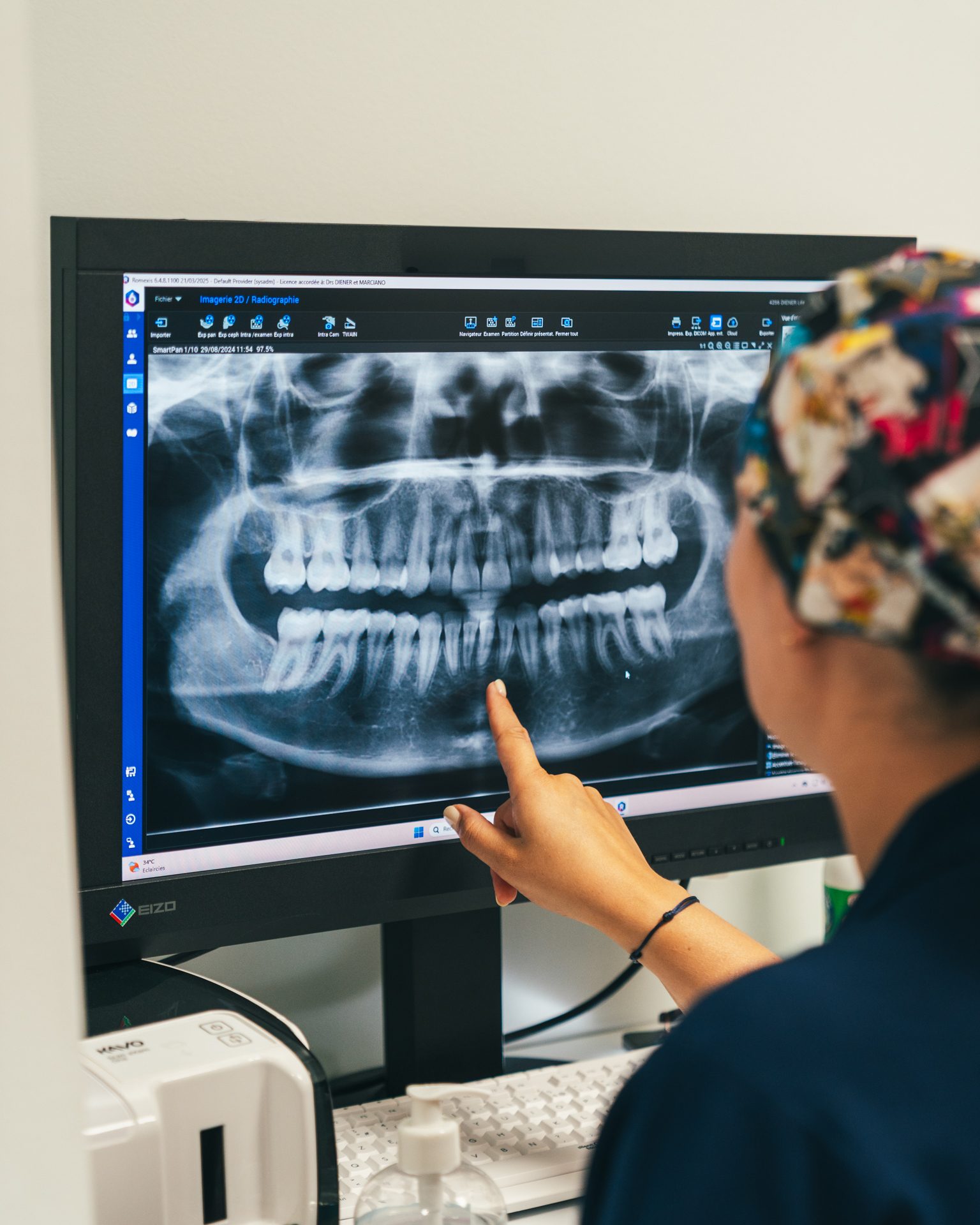
This first appointment is entirely devoted to your pain. The dentist talks with you about what you are feeling and what you need, then carries out a clinical examination, usually with an X-ray, to identify the exact cause of the problem.
The aim of this visit is simple: to relieve you as well as possible, on the same day, with the appropriate emergency treatment. It is not yet the time for a full check-up of your mouth; all the attention is on the tooth that hurts.
In the following days: treating the cause
Relieving the pain is not always enough to solve the problem for good. When needed, the treatment that will protect you from a recurrence is organised as quickly as possible, in the days following the first visit.
Here too, appointments are set aside for this: treatment follows without delay, so that you do not stay with a temporary solution longer than necessary.

Once the emergency is over: a full check-up
Once the pain is behind you, it is time for a complete examination of your mouth. This check-up reviews all your teeth and gums and identifies any other treatment that may be needed.
The dentist then explains the findings and plans the next steps with you, at a pace that suits you. The emergency thus becomes the starting point of lasting follow-up care, rather than a one-off treatment.